
History of the Electric Motor
What an Electric Motor Does
At its most basic level, an electric motor turns electrical energy into mechanical energy. Electric motors change electricity into motion.Electric motors play a major role in modern industry. They help power factories, machines, and everyday devices. Electric motors have raised productivity and supported the high standard of living enjoyed in much of the industrialized world.
Early Discoveries That Made Motors Possible
The early history of the electric motor is not tied to one single moment or inventor. However, researchers agree on one key point. The basic laws behind electric motors come from the discovery of electromagnetic induction in the early 1800s.
Scientists such as Oersted, Gauss, and Faraday explored the relationship between electricity and magnetism. Their work laid the foundation for how electric motors operate today.
Nikola Tesla and the Rise of AC Motors
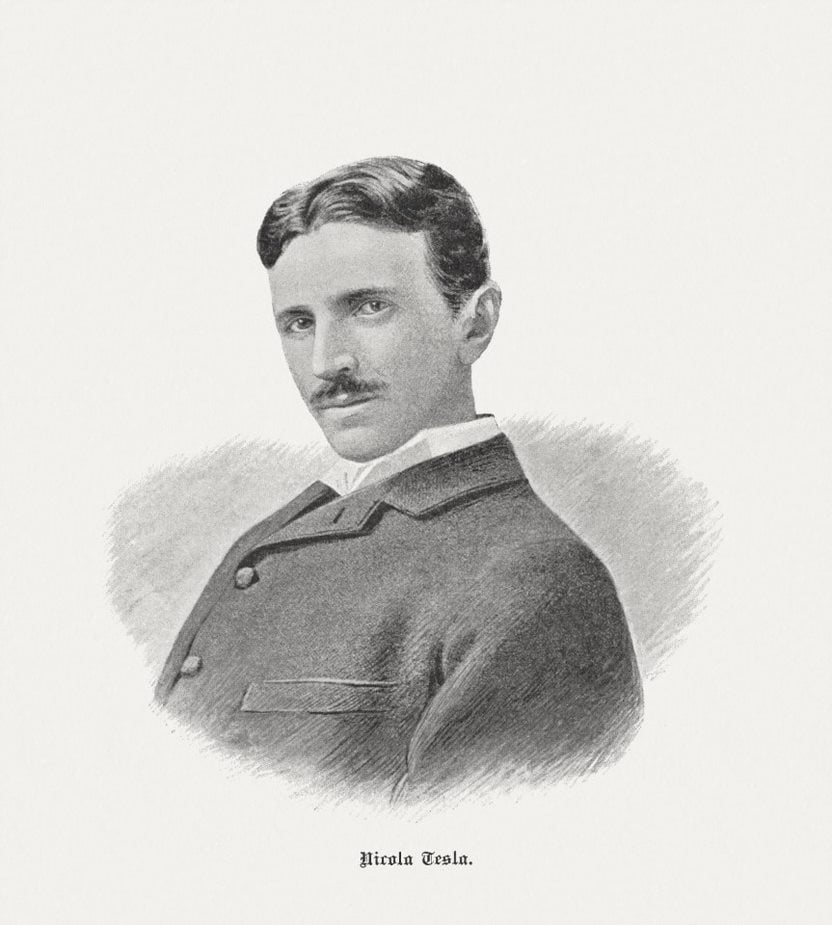
In the late 1800s, Nikola Tesla invented the alternating current (AC) motor. This marked a major turning point in motor technology.
Tesla was a prolific inventor and held more than 900 patents in the electrical field. Before his work, direct current (DC) motors existed, but they were produced only in small numbers. Tesla’s AC motor was stronger, more flexible, and better suited for wide-scale use. It helped launch a new era of automation and industrial growth.
In the late 1800’s the actual invention of the alternating current motor was made by Nikola Tesla. One measure of Tesla’s genius is that he was granted more than 900 patents in the electrical field. Before Tesla’s time, direct current motors had been produced in small quantities, but it was his development of the versatile and rugged alternating current motor that opened a new age of automation and industrial productivity.
How an Electric Motor Works
An electric motor operates by combining electricity and magnetism. When an electrical current flows through a conductor placed inside a magnetic field, a force acts on that conductor.In AC motors, wire windings inside a laminated stator core create the magnetic field. The rotor contains aluminum bars that carry the electrical current. The magnetic force pushes against these bars. This action causes the rotor and shaft to spin.
That spinning motion can then be connected to pumps, fans, conveyors, or other machines to do useful work.
Advances in Motor Speed Control
As power semiconductors and microprocessors improved, engineers gained better control over AC motor speed. This led to the development of inverter drives.
Modern pulse width modulated (PWM) AC drives can precisely control both speed and torque. Often, their performance now matches or closely approaches that of DC motor systems.
Key Advantages of DC Motors
DC motors are known for their high torque, especially at low speeds. They work well with simple solid-state controllers. These controllers allow smooth acceleration and deceleration across a wide range of speeds.
Unlike AC motors, the speed of a DC motor does not depend on the number of magnetic poles. This makes DC motors especially versatile for applications that need constant or variable speed.
Permanent Magnets and Efficiency
Many modern DC motors use high-strength permanent magnets instead of traditional field windings. These magnets do not require power from the electrical supply.
As a result, the motor runs more efficiently and generates less heat. Lower power draw also extends the life of batteries. This is especially important for mobile, portable, or remote applications.
Precision Motor Manufacturing Matters
Both AC and DC motors must be built with great precision to perform reliably. Regal Rexnord electric motor brands use laminated stator, rotor, and armature cores. These features reduce energy losses and limit heat buildup.
Regal Rexnord brands heat-treat AC motor rotors so the aluminum bars are properly separated from the magnetic laminations. Shafts and bearings must meet tight tolerances; often within ten thousandths of an inch.
Reducing Vibration, Noise, and Wear
A motor’s structure must be rigid to reduce vibration and noise during operation. Stator insulation and coil windings must be carefully applied to avoid damage to wire or ground insulation.
Mounting surfaces also require exact dimensions. This is especially important for motors with NEMA C face mountings, which allow direct coupling to gear reducers, pumps, and other driven equipment.
Why Electric Motors Matter Today
The electric motor is the heart of any machine it powers. If the motor stops, the entire system stops.
Electric motors have had a significant impact on the progress of humanity in the last 200 years. For example, electric motors were at the heart of the industrial revolution.
Electric motors are still vital today. The total energy converted by electric motors far exceeds that used by all passenger automobiles combined. While motors are much more energy-efficient than cars, their sheer number makes them a major part of global energy use.
Today’s large industrial motors can reach efficiency levels above 96percent. This high efficiency, paired with long life and reliability, ensures electric motors will remain the preferred “prime movers” for decades to come.
Find a motor that will change the way you do business by reaching out to one of our trusted partners today.
Talk to Our Sales Team
We're here to help. Our team of experts is ready to help energy-efficiently power your business.Page Updated: March 31, 2026