
How to Choose a Gearmotor

Gearmotors are essential in many industries because they combine two key components: a motor and a gear reducer. This combination allows gearmotors to deliver high torque at low speeds, making them ideal for applications where control matters more than speed. You’ll find gearmotors in equipment like conveyors, mixers, packaging machines, farm machinery, and even battery-powered devices. They’re used anywhere you need reliable motion with precise control.
Because gearmotors come in different designs (like right angle or parallel shaft) and in AC or DC models, choosing the right one can feel overwhelming. The wrong choice can lead to inefficiency, premature wear, and costly downtime.
The good news? With a little planning you can select a gearmotor that will keep your system running smoothly for years.
In this guide, we’ll walk through the key steps to choosing the right gearmotor for your needs.
What Is a Gearmotor?
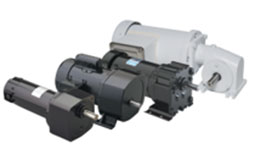
A gearmotor combines a motor and a gear reducer into one unit. This design makes it strong and reliable. Gearmotors are perfect for jobs that need high torque at low speeds.
You can find gearmotors in two main designs; right-angle and parallel shaft. These two designs are available in AC (Alternating Current) and DC (Direct Current) models.
AC gearmotors are common in conveyors, packaging machines, mixers, farm equipment, cranes, and hoists.
DC gearmotors are often used in conveyors, packaging machines, spreaders, and battery-powered equipment.

Talk To Our Sales Team
We're here to help. Our team of experts is ready to help energy-efficiently power your business.
Four Steps to Choosing a Gearmotor
Manufacturers do a lot of work before a gearmotor reaches you. They calculate performance and test the motor and gear combination to make sure they work well together. This makes your job easier. But you still need to choose the right gearmotor for your application. Here are four steps to help you make the best choice.
Step 1: Review Your Application Requirements
Before you start shopping, know what your application needs. Here’s what to check:
- Environment: Temperature, IP ratings, and any special conditions
- General: Mounting type, size, orientation, lubrication
- Power Source: Voltage, frequency, max current, control type
- Gearmotor Specs: Weight, size, noise level, maintenance needs
- Performance: Torque, speed, horsepower, starting/running torque
- Overhung Load: This is the sideways (or right angle) force on the shaft beyond the outermost bearing. Overhung loads can cause a bending force in the gearbox output shaft. The reducer shaft and bearings resist this force. Put simply, too much force can damage bearings and shafts. To reduce this, mount the drive component close to the reducer.
Step 2: Match Gearmotor Specs to Your Needs
Compare your application requirements with the gearmotor specifications. This helps you find the best fit.
Step 3: Know Your Speed and Torque
Calculate the speed and torque your application needs. Then, check the manufacturer’s performance curves to find the right motor. The good news? Gearmotors are already tested for compatibility and performance.
Step 4: Test Under Real Conditions
Even with manufacturer ratings, your application may have unique conditions. Test the gearmotor in your actual setup. Watch for:
- High temperatures
- Unusual noise
- Signs of stress
If you notice problems, contact the manufacturer or an applications engineer.
Why Proper Gearmotor Selection Matters
Taking the time to choose the right gearmotor is worth it. Choosing the wrong gearmotor can lead to breakdowns and costly repairs. Researching and testing a gearmotor ensures your system runs efficiently and saves money over the motor’s lifetime.
READ MORE: 5 Tips for Gearmotor Application and Installation
Frequently Asked Questions About Gearmotors
What is a gearmotor?
A gearmotor is a motor combined with a gear reducer to provide high torque at low speeds.
Where are gearmotors used?
Gearmotors are common in conveyors, packaging machines, mixers, farm equipment, cranes, hoists, and battery-powered devices.
What’s the difference between AC and DC gearmotors?
AC gearmotors are often used in industrial equipment like conveyors and mixers. DC gearmotors are better for battery-powered or low-voltage applications.
Why is overhung load important?
Too much sideways force on the shaft can damage bearings and shorten gearmotor life. Mount components close to the reducer to reduce this force.
How do I know what speed and torque I need?
Calculate your application’s requirements and compare them to the manufacturer’s performance curves.
Do I need to test the gearmotor?
Yes. Always test under real operating conditions to ensure proper performance.
Brands

Page updated December 16, 2025