
Righting the Ship: Preventing Torsional Vibration Issues In Modern Marine Propulsion Systems
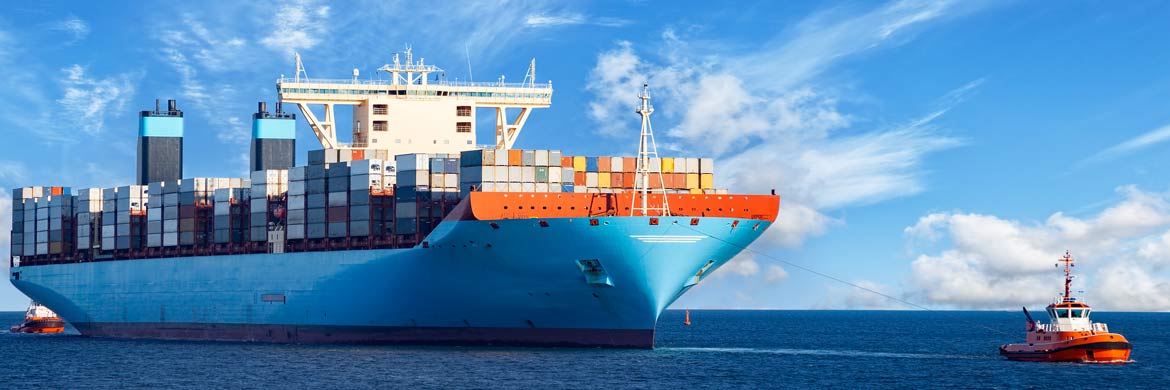
The push for cleaner energy has led to improved engine efficiency and reduced emissions. This shift benefits the environment and results in lower energy costs. But it also brings new challenges. In the marine industry, cleaner propulsion systems are increasing concerns about torsional vibration. If not addressed, torsional vibration can lead to costly repairs and downtime.
Marine operators rely on CENTA to help design and maintain reliable propulsion systems. CENTA is a global expert in managing torsional vibration, a key challenge in modern marine engineering.
What is Torsional Vibration?
In drivetrains, rotating shafts connect and transfer power to equipment. Torsional vibration is the twisting motion of rotating shafts in a drivetrain. It happens on top of the system's normal rotation. This vibration can come from the engine, the driven equipment, or the way the system is built. In matters of construction, specifically how the rotating masses and stiffness are distributed.
Other common causes include:
- Forces from internal combustion engines
- Variable frequency drives on motors
Flexible couplings help manage torsional vibration. Designers often consider flexible couplings the easiest solution to a system's torsional response. Flexible couplings transmit torque, absorb shock, and reduce noise. Most importantly, they act like a spring that can tune the system to avoid harmful resonance speeds.
Why Is Torsional Vibration a Bigger Issue in Modern Marine Systems?
In the past, oars, sails, steam engines, or slow-speed diesel engines powered ships. These systems were heavy and operated at low speeds. With these systems, torsional vibration wasn’t a major concern.
Today’s propulsion systems are different. Engines are faster, and transmissions are lighter. This makes them more vulnerable to vibration.
Stricter emissions standards in the U.S. and Europe have pushed the industry toward greener technologies. As a result, marine operators are exploring options like alternative fuels, hybrid propulsion systems and electric motors.
Changing factors like fuel delivery and cylinder combustion affect how engines behave. High-pressure fuel systems and varying combustion pressures increase torsional activity. Hybrid setups with motor/generators and power take-off/in components also add complexity. Even basic electric motor systems can experience torsional vibration.
Because of this, it’s crucial to involve experts like CENTA early in the design process. Their knowledge helps prevent problems before they start.
How can onboard Torsional Vibration Measurements Help?
A Torsional Vibration Analysis (TVA) is a key tool for understanding system behavior. It looks at the entire propulsion system, including connected equipment and operating conditions. The TVA predicts stress and heat levels in the drivetrain.
But operators need more than just a TVA to understand their propulsion system. TVAs are based on theoretical data. If issues arise during operation, onboard vibration analysis can help. Field experts can install instruments to collect real-time data. This data helps refine the original TVA and pinpoint the exact cause of the problem.
CENTA: The Established Experts in Preventing Torsional Vibration Issues
CENTA has been solving torsional vibration problems since 1970. They’ve developed and patented many coupling and drive shaft products for marine systems.
Their approach combines decades of experience with advanced analysis tools. CENTA studies each propulsion system in detail, considering every component and operating condition. CENTA’s experts have experience with propulsion systems powered by traditional fuels, alternative fuels, and hybrid technologies. They can help your system run smooth.
CENTA also offers analysis for existing systems. If you suspect torsional vibration in your marine setup, contact CENTA for expert support.
Learn more about Regal Rexnord's marine industry expertise.