
Early Signs of Commercial HVAC System Maintenance Issues
We’ve all been there. Walking into the office on a Monday morning, the heat and humidity in the east wing could rival Florida’s swampiest day. How can you prevent emergency commercial HVAC service fees? We compiled a list of the top five early signs of commercial HVAC system maintenance issues and practical solutions to tackle them before they shut your system down.
1. Lack of or Diminished Heating or Cooling Capabilities
One of the most obvious signs that your commercial HVAC system is in need of preventive maintenance is a lack of heating or cooling capability.
Uneven heating or cooling can indicate aging or damaged duct work. Maintenance should inspect the area’s ductwork for any issues that may restrict airflow such as debris or crushing. Seals and joints should be carefully examined to ensure leaks aren’t allowing your treated air to escape into the walls.
One often overlooked issue when it comes to uneven airflow and temperature is closed vents. Your system is designed to provide temperate air as a whole. Closed vents can lead to poor overall circulation. Take a quick walk around your facility on the regular to ensure all vents remain in the open position.
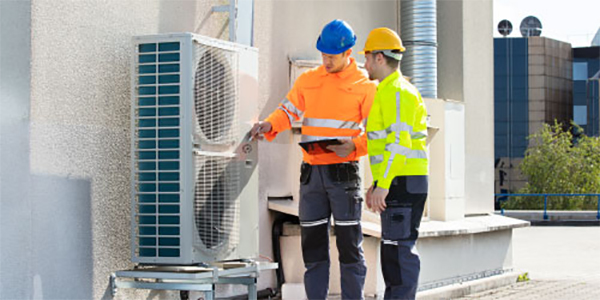
If a lack of air conditioning is being felt throughout your facility, your system may be suffering from a coolant leak. Coolant leaks are the most common type of commercial HVAC maintenance issue. Since HVAC system coolant leaks as a gas, detecting the leak on your own may be difficult. A trained technician can either use an electronic leak detector or ultraviolet dye to determine the leak location.
Your building maintenance can prevent minor leaks from becoming major issues. Your system should be regularly inspected for any worn, damaged, or rusted pipes or components. If any are found, replace immediately and schedule a professional technician for a quick coolant level check.
2. Unusual Noises or Odors
Just like with a car, squealing belts within your system can be a noisy notification you need maintenance. Often a belt will need tightening instead of replacing, an inexpensive fix to keep your system running at peak efficiency.
Your nose will know if something’s off with your system. Musty odors are ok when first switching your system from heat or cold to the opposite, but if that smell lingers for more than a day or two, check your filter first. If your system has an urgent smell such as burning or gas, call in a professional as soon as possible.
3. Loss in Efficiency
If you’re noticing an increase in your electric bill beyond general rates and weather extremes, you may be dealing with a clogged filter. Filters for your commercial HVAC system should be changed quarterly. However, in areas with high air pollution or particulates, your system may require more frequent changes. Be sure to make filter checks a regular part of your building maintenance to prevent any system slowdowns.
4. System Unresponsiveness
System unresponsiveness can go two ways: eerily quiet or overactive. If your system fails to act when the temperature changes, check your thermostat first for any disconnects or batteries that need replaced. Blown fuses are also common, but are often indicative of bigger issues. If you encounter a blown fuse, you may need to call for professional assistance.
On the opposite end, if you’ve got a system blower fan that just won’t stop, you may be dealing with a bad thermostat, an internal system problem, or a motor connection issue. Again, check the thermostat first. If the thermostat checks out, you may need to call for service.
5. Poor Indoor Air Quality
Are your building occupants seeing more dust than normal? Take a look inside your air handling system. Buildup of dust, dirt, and debris can bog down a system and lead to poor internal air quality.
We hope this helps you tackle some common commercial HVAC maintenance issues and assist you in developing your maintenance plan/checklist. If you’ve done the checks and determined your motor is ready for a replacement, contact our helpful product experts to pair the right HVAC motor for your system today.