
How Do I Keep My Electric Motor Healthy?
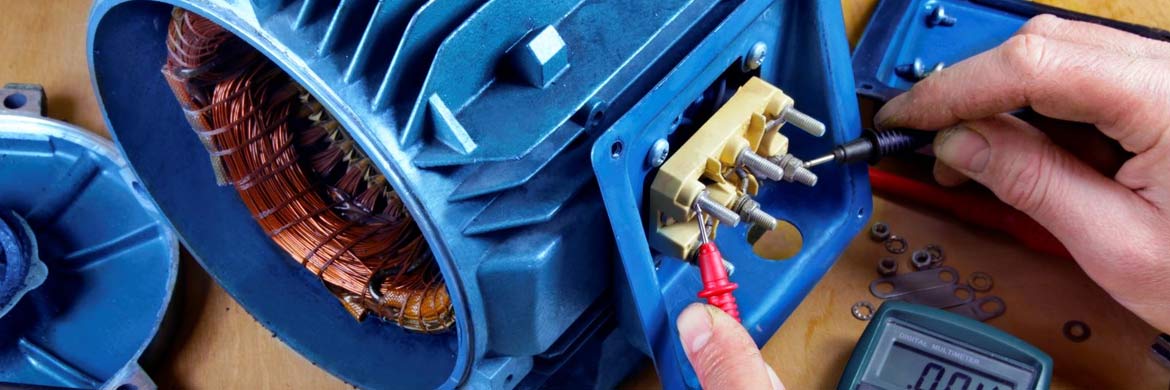
Several factors during installation and routine use affect electric motor health. If not cared for properly, motors will experience unplanned downtime, leading to production loss. Keeping your electric motor healthy will ensure high production and output. These actions will ensure a long motor life expectancy.
Align Your Motor Correctly During Installation
When installing your motor, make sure the motor-drive system alignment is within tolerance. This is especially important when the motor is operated at high speeds. Misalignment leads to excessive vibration, noise, bearing temperature increases, and premature bearing or shaft failure.
When a motor meets the specified system alignment, it will generate less heat and lower vibration levels. A properly-aligned system will lead to longer bearing life. In turn, users will have a more efficient system that can save money on utility and repair costs.
Don’t Skip Routine Motor Maintenance
Implementing routine maintenance into your operation is crucial for your motor’s health. Maintenance should not stop at the motor enclosure. A motor’s bearings are key to providing a motor that runs smoothly and consistently. Bearing damage can cause motor failure, which can lead to increased operation costs. Routinely checking the motor (and bearings), keeping it clean, and making sure to follow the manufacturer’s recommended lubrication intervals can prevent winding and bearing failure.
Monitor the Motor Environment
Monitoring a motor’s environment is crucial. Factors that can accelerate motor and bearing failure include:
- Ambient temperature,
- Vibration,
- Relative humidity,
- Airborne contaminants, and
The presence of any destructive elements. Motors like LEESON’s SST Duck and Premium Duck motors are designed with stainless steel external components. These housings prevent corrosion and protect internal components from dust and other external contaminants.
For motors with air filters, it is important to change them routinely. Dirty air filters restrict airflow into the motor, which can cause it to run hotter and increase the risk of bearing failure.
Ensure an Adequate Power Supply
Often, motor trouble originates from the power supply. The power supply provides electric energy for the entire system. Power supply quality is important for winding longevity. Sometimes the load is jammed or mismatched. Or the motor itself could have developed a fault, such as a burnt wire, a broken or poor connection, a winding failure, or deterioration in critical insulation or the bearings.
Troubleshooting and monitoring these elements are crucial in reducing costs and downtime, while also preventing future failure.
Monitoring Can Help Prevent Unplanned Motor Downtime
Once you’ve taken the needed steps to properly set your motor up, how can you ensure your motor stays healthy over time? Condition-based monitoring is crucial to ensure your motor is staying healthy. Condition based monitoring allows you to spot issues early on and helps prevent unplanned downtime.
With the transition in recent years from on-site, wired condition monitoring to online and remote wireless monitoring, data is now often collected via cloud-based software. Systems that use cloud-based software detect and record changes in certain inputs and then prompt you to investigate. Acting accordingly when a change is detected allows you to catch any threats and send your motor out for reconditioning before it fails.