
5 Ways Food & Beverage Manufacturing Has Changed (And What to Do About It)
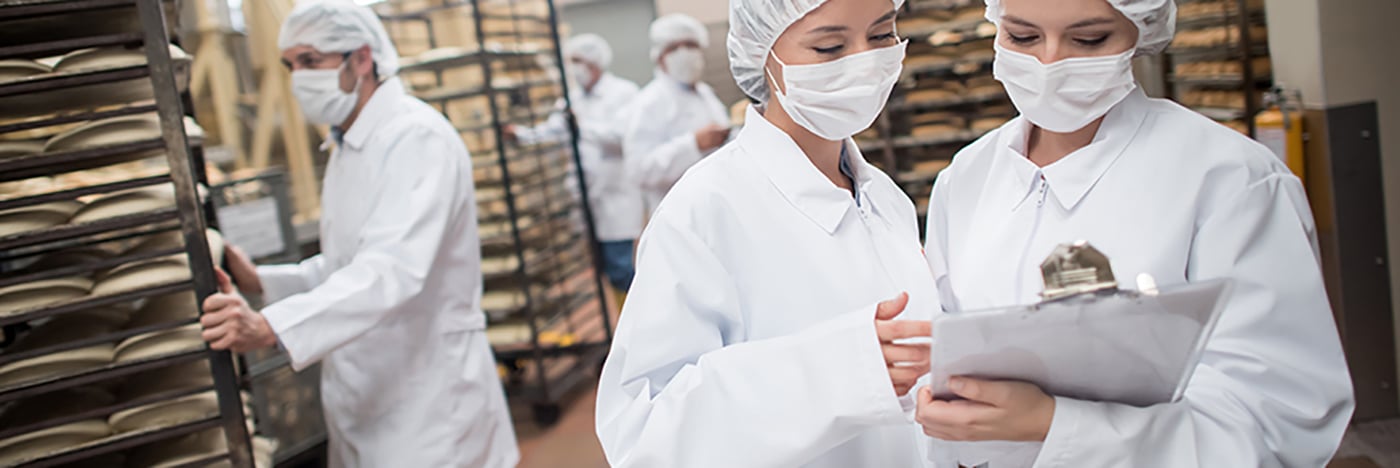
The food and beverage manufacturing industry has gone through what can only be described as a whirlwind of events over the past year. The increase in demand since the start of the COVID-19 pandemic, paired with significant changes in consumer behaviors, has driven production to the max. From the infamous toilet paper shortages of 2020 to the more recent struggles to find aluminum for canned beverages, the manufacturing industry has been busy.
As we look at what has changed, we can start to plan what can be done about it. The good news is that some small changes that can lead to big payoff for food and beverage manufacturers. Choosing the right components for the job can help to balance those ever-increasing sanitation and productivity requirements. The industry is changing, but you might not have the luxury of getting all new equipment. The ability to adapt to the situation with the right components can be a game-changer.
Intense Focus on Cleanliness
With the recent pandemic, we've seen an increased attention to cleanliness, washdown procedures, and prevention of foreign contaminants from getting into the manufacturing process within food and beverage companies. Both consumers and producers are more concerned about what goes into their foods than ever before. Adding to this attention is the increase in food contamination issues in recent years. While we’ve always been concerned about meat processing, a rise in contamination in fruits and vegetables has changed procedures in food manufacturing across the board.
The result is that processers have become more aggressive with cleaning. While the positive is that cleaner equipment means a lower risk of contamination, older equipment just wasn’t built to handle this aggressive cleaning. As your facility continues to follow HACCP guidelines for cleaning and CIP (clean in place), there are several considerations for keeping productivity up.
Using components made from corrosion resistant materials will help to extend the life of the product and cut down on nuisance maintenance, even when using some of the newer, harsher cleaning chemicals. Stainless tends to hold up the best, allowing for more pressure, more soap, and a little faster cleaning time. For the very best security against cleaning, look to washdown certified components. IP69K, the highest rank on the rating scale, is intended for high-pressure, high-temperature washdown applications. Enclosures conforming to it must not only be dust-tight, but also able to withstand high water pressure and steam cleaning.
Increased Production Demands
The short slowdown at the beginning of the pandemic was quickly reversed, and many facilities quickly saw an uptick in production demands. With consumers buying in bulk to stockpile at home, and more and more people preparing meals at home, many manufacturers are struggling to keep up. One industry currently being pushed to the extreme is cans and bottles for at home consumption.
Facilities are having to spread people apart and slow down the line to allow for social distancing while dealing with this increased demand. In the past, it’s been cost-effective to have people do things like hand picking fruits and sorting them. However, we are no longer able to have people elbow to elbow, in close quarters and sharing the same air, with no room for social distancing. Instead, machines are being pushed until they fail either because of staggered schedules causing them to run nearly 24/7, or because they are simply being pushed to the limit to keep up with consumer demand.
Manufacturers are also running multiple container sizes on the same line, requiring frequent guide rail changes. For a single conveyor to run multiple sizes, the line must be taken offline to make the proper adjustments. With older guide rail systems, these changes are difficult, time consuming, and often result in errors that lead to production losses. Newer bracket systems can solve change overs quickly with preset conveyor guide rail adjustability that is fast and accurate, without the need for tools.
The Rise of High-Pressure Processing (HPP)
As consumers are trying to boost their immunity, the industry has seen an increase in healthier, fresh food that is high pressure sealed for longer shelf life. The high-pressure processing (HPP) sector, which uses a cold pasteurization process to treat products already sealed in their packaging, is seeing tremendous growth. The HPP process is proven to eliminate bacteria like E. coli and salmonella, while also extending shelf life. These fresh products and ready to prepare items include cold-pressed juices, meat and poultry, dairy alternatives, dips, salads, and pre-cooked side dishes.
We are seeing transitioning of equipment that used to prepare bulk products for restaurants to now handle the pre-packaged items that are popular as more people dine at home.
Focus on Sustainability
A focus on water stewardship and conveying solutions requiring no lubrication is a growing trend, especially in the booming craft brew market. In order to “run dry”, facilities must use premium materials and innovative chains, belts, and components. Having the ability to run a conveyor line without lubrication provides benefits in terms of performance and safety in addition to sustainability. Chains made from these newer, premium materials can last up to five times longer than low-friction acetal. This can mean that the new chain pays for itself in as little as a year.
Additional benefits to running dry are improved plant safety and hygiene because wet floors and equipment are eliminated, reduced maintenance concerns with cleanliness and better access where drip trays have been removed, less bacteria growth, reduced energy consumption because of the low-friction components, and reduced costs for water, lubricating chemicals, and wastewater discharge.
Time Savings with the Right Components
It’s clear that manufacturing plants are finding it difficult to conduct preventive maintenance because of the intense focus to keep their products on store shelves. You need the right components for the job to balance sanitation and productivity requirements. You also need to reduce nuisance maintenance, reduce unplanned downtime, and keep that productivity up.
One way to simplify when it comes to those maintenance issues is to reduce inventory, consolidate or standardize your parts. You will see cost savings when you are using the right product for the job, but you can also cut down on inventory and save time for your maintenance team.
With many plants reducing the size of maintenance staffing, there is tremendous benefit to selecting products that support a reduced maintenance schedule. For example, high performance bearings can prevent contaminants such as water and dirt from entering the bearing. These reduced maintenance bearings do not require any additional re-lubrication and can have increased bearing life to 12 months with no reported failures or maintenance. One brewery who switched to reduced maintenance bearings saw bearing life extended from six months to eighteen months without failure.
There is no rest for the weary in the essential world of food and beverage manufacturing. We are here to help problem solve your toughest industry problems.
Talk to Our Sales Team
We're here to help. Our team of experts is ready to help energy-efficiently power your business.Brands


