
Stainless Steel: The Superior Material for Food-Safe Motors
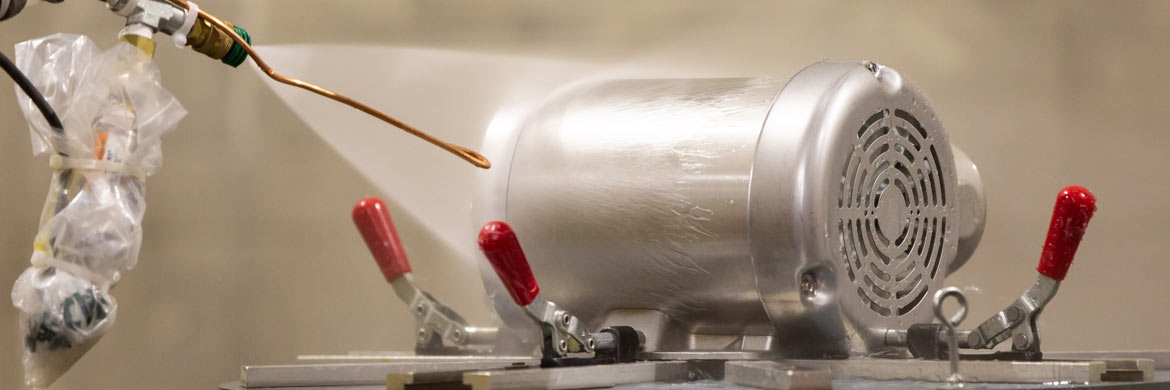
Keeping the food we eat safe is the most important part of food and beverage production . To stop the spread of food-borne illnesses, equipment must resist contamination. But manufacturers also need equipment that can stand up to regular washdown procedures. When it comes to equipment, there's one material that stands above all others: stainless steel.
Stainless steel is the material of choice for motors and other equipment used in food processing. It can protect against bacteria, contaminants, water, chemicals, and corrosion. Stainless steel motors are the best choice to keep food and beverage production moving.
Food Production Needs A Clean Space
Food safety is a critical concern for both consumers and regulators. Contamination of food during processing can result in food poisoning. In the United States, three federal agencies and many state bodies are responsible for regulating the food industry. Regulations require the use of food-safe equipment as well as for manufacturers to keep their food processing spaces clean. Food-safe materials are essential because they do not corrode, degrade, or release harmful chemicals into the food, protecting consumers' health and safety. Additionally, food-safe materials should withstand regular cleaning and sanitizing measures.
Washdown Procedures Keep Equipment Food-Safe
Food production environments are harsh. To ensure an environment safe from bacteria, producers clean their equipment on a regular basis. Washdown procedures expose equipment to moisture, chemicals and high temperatures. So equipment must be easy to clean and sanitize to prevent contamination. If not, equipment surfaces will be susceptible to bacteria growth.
Food manufacturers wash down their production spaces regularly. Some do it daily, others, many times per day. They'll use chemical cleaning agents, hot water and power hoses. These caustic cleaning solutions can lead to rust and corrosion. The challenge with washdown procedures is to keep spaces clean while not damaging equipment.
The Role of Motors in Food Production
In food production, motors power various types of equipment, like:
- Mixers that combine various food items,
- Grinders that chop and grind meat into smaller pieces,
- Conveyors that move products through the production line,
- Pumps that move liquids into and out of processing equipment like injectors or tumblers,
- Vacuum packaging equipment that removes air from packaging and
- Other machinery used in food processing and packaging.
Motors drive the movement of materials and products through the production line. Motors also keep the production process running smoothly and efficiently. But these motors are exposed to food product. Because of this exposure, motors face bacterial contamination, oils from food products, and the potential of stains from various substances.
Manufacturers make food-safe motors to meet the stringent hygiene standards the industry requires. To be food safe, the outer shell of a motor must not only resist contamination, but also be enclosed to keep water and other substances out of the motor. A motor’s enclosure is the first defense against dirt and contaminants. The International Electromechanical Commission (IEC) developed a rating system based on ingress protection (IP). The IP rating system represents the protection a motor can deliver.
Stainless Steel Can Withstand Washdown and Protect Equipment
There are several types of motor materials and coatings that can protect the insides of a motor during washdown. Epoxy-coated motors can hold up to occasional washdown applications. For more frequent and extreme cleaning procedures and harsh environments, stainless steel is the premier choice. Stainless steel is iron alloy containing at least 11 percent chromium. It is naturally resistant to rusting and corrosion. This corrosion resistance is the biggest advantage of stainless steel in food production. Stainless steel motors can also withstand the harsh chemical cleaning agents used in washdown procedures without corroding or degrading. This strength leads to a longer motor lifespan and decreased risk of contamination for the end product.
Stainless steel is also durable. Food production environments are harsh, with high levels of moisture, heat and chemicals. Stainless steel motors can withstand these extreme conditions while performing optimally. Thanks to this durability, stainless steel is easy to clean and sanitize.
Finally, stainless steel is non-reactive. Meaning with food products, there will be no transfer of taste, odor, or color. Any contamination can have a significant impact of the quality of the final product in food production. Motors made of stainless steel can be in direct contact with food products.
LEESON - the Leader in Washdown Motors
LEESSON offers an extensive range of washdown motors, taking a good-better-best approach. LEESON® White Duck® epoxy motors have an IP55 enclosure rating and work well anywhere food is being processed. SST Duck and Premium Duck stainless steel motors are designed for more frequent cleaning. The LEESON® Extreme Duck® Ultra motor has full stainless-steel encapsulation with the highest ingress protection (IP) on the market, an IP69K rating. Food manufacturers around the world trust the LEESON line of washdown motors to keep food safe and consumers well-fed.